

The Ultimate Guide to Medal & Badge Materials: Choose Like a Pro
Choosing the right material for medals and badges affects not only their appearance and quality but also their cost, delivery time, and the satisfaction they bring as symbols of recognition. As an experienced professional in B2B foreign trade and independent station operations, I understand the common dilemmas businesses face when customizing medals and badges. The choice of material is a crucial decision point. Here is a detailed analysis of common badge materials to help you make an informed choice.
1. Comprehensive Analysis of Badge Materials
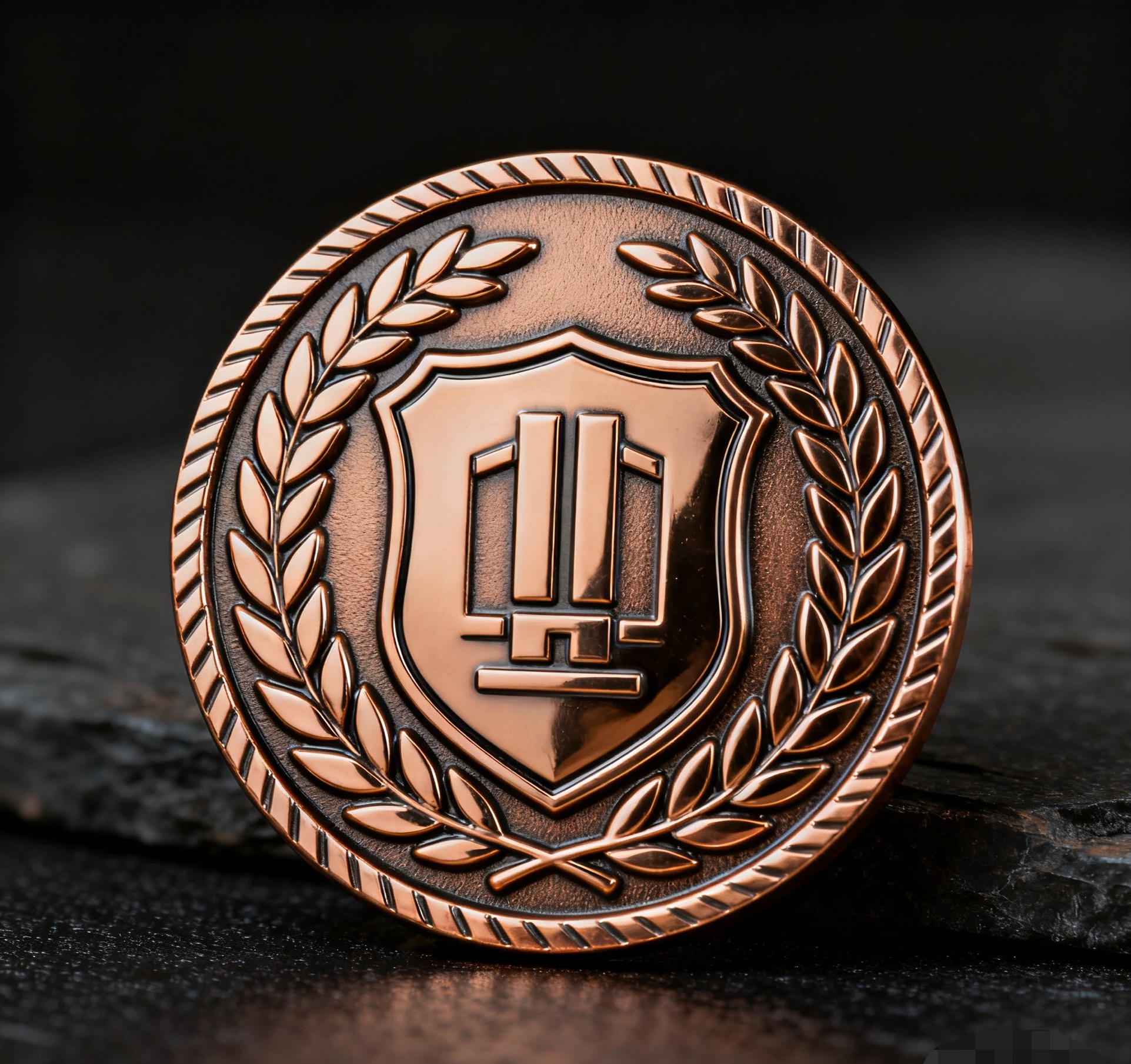
1. 1 Copper: The Preferred Choice for High-End Badges
Copper (including brass, red copper, and bronze) is the primary metal for making high-grade badges. Red copper (purple copper), with its high melting point, is often used for making true enamel badges, which require firing at high temperatures above 850°C. Bronze is more commonly used for processes like baking paint and imitation enamel. Copper badges typically have thicknesses of 1.2mm, 1.5mm, or 1.8mm, while commemorative badges can be up to 3mm thick. Badges made from copper are aesthetically pleasing and of superior quality, making them an ideal choice for high-end custom projects.
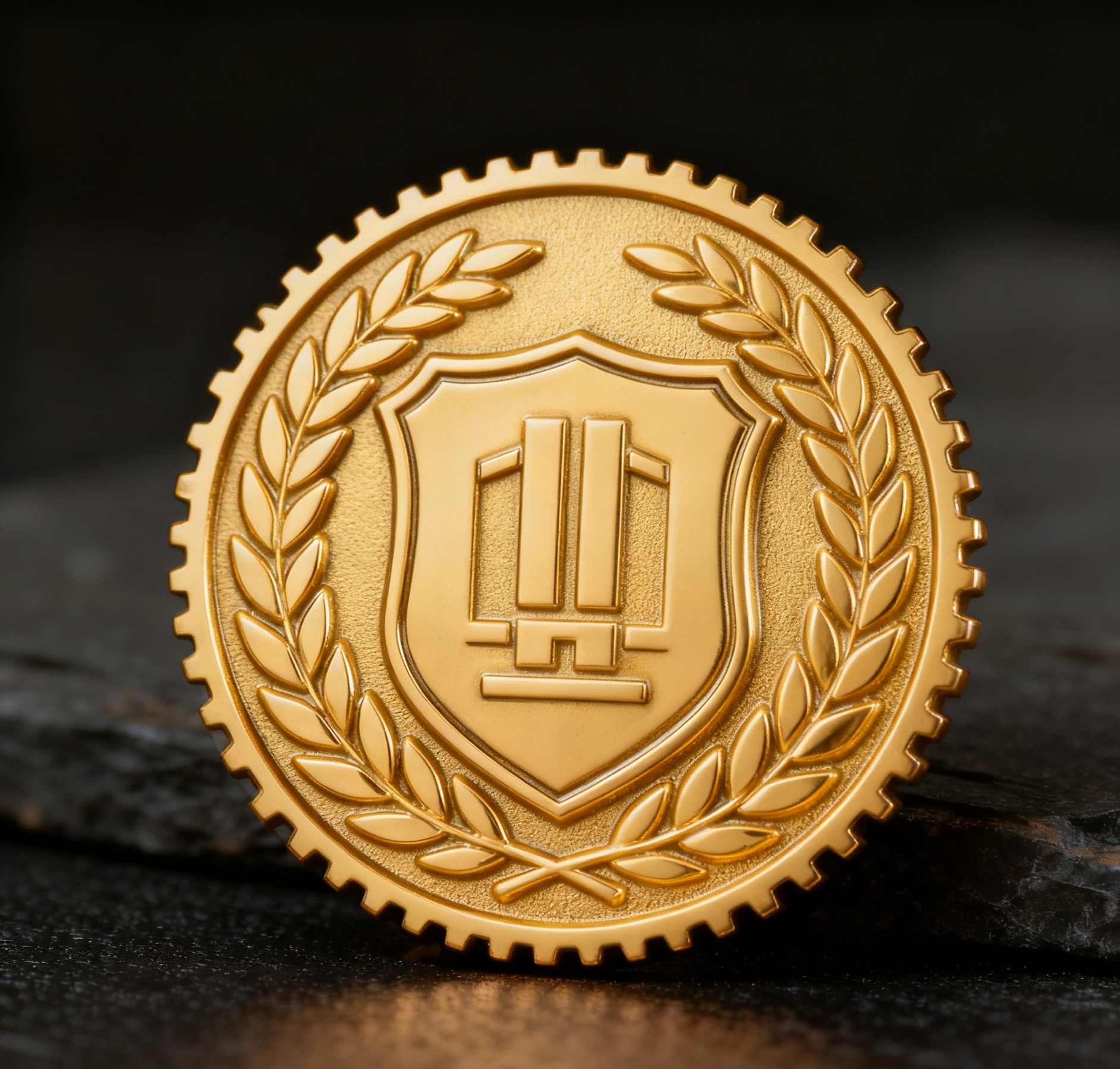
1.2 Zinc Alloy: The Best Choice for Complex 3D Shapes
Zinc alloy has excellent casting properties, making it particularly suitable for producing solid badges and double-sided commemorative coins. Its low melting point (about 385°C) makes it easy to die-cast. The surface of zinc alloy castings is smooth and can undergo various surface treatments such as electroplating and painting. It's important to note that zinc alloy has relatively poor corrosion resistance compared to copper.
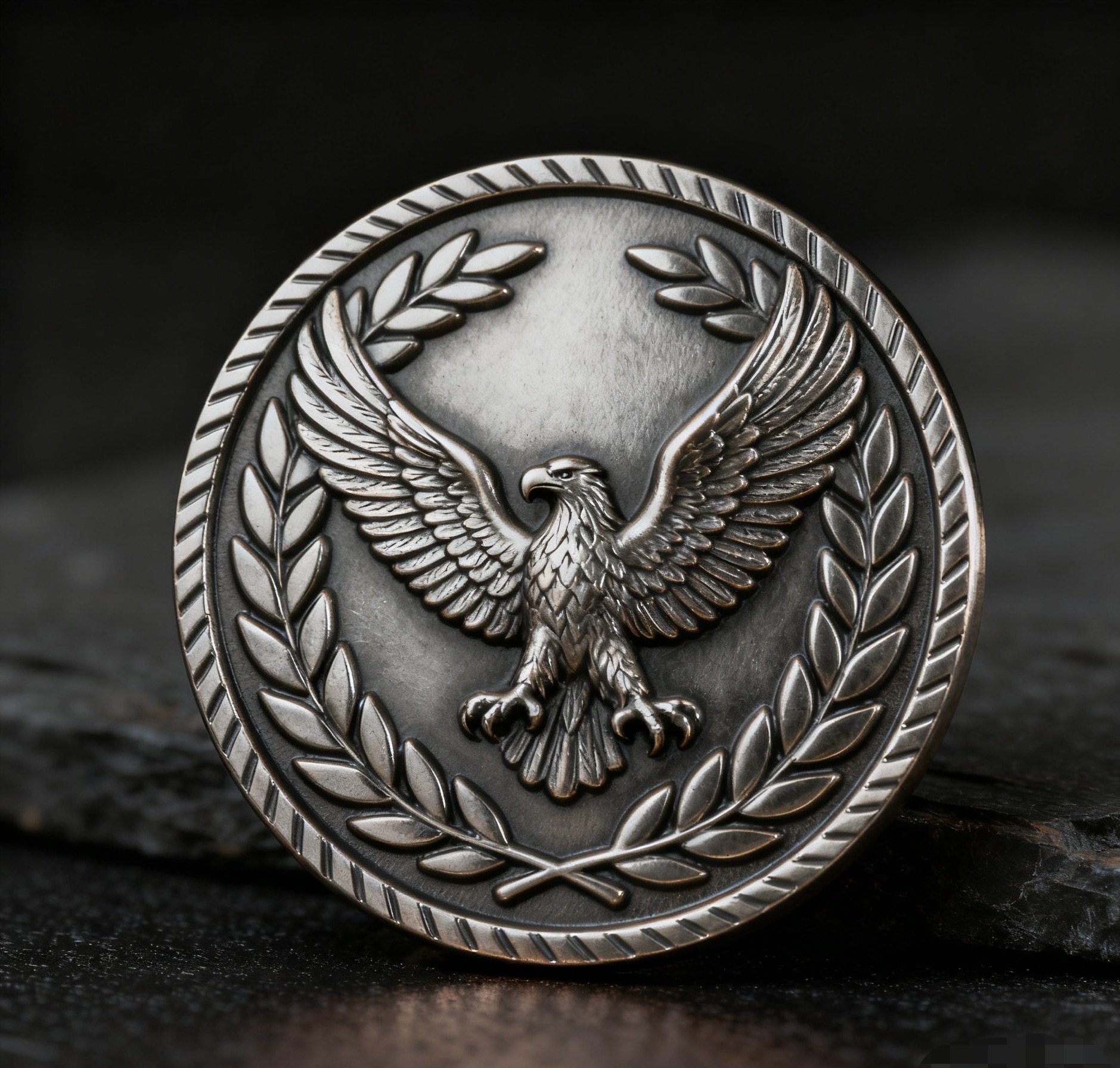
1.3 Iron: The Cost-Effective Option
Iron material offers good hardness and is affordable, making it an ideal choice for projects with limited budgets. After surface electroplating or paint baking, iron badges can achieve an appearance and texture comparable to copper badges. The significant drawback of iron badges is their tendency to rust, especially during long-distance sea transport; thus, they are not recommended for overseas orders via sea freight.
2. Material Selection Decision Guide
To help you visualize the selection process, refer to the following decision table:
| Need Scenario | Recommended Material | Thickness Advice | Process Recommendation | Key Advantage |
High-end customization/Gifts | Copper | 1.5-3.0mm | True Enamel, Baking Paint | High-end texture, high collection value |
Complex 3D shapes | Zinc Alloy | As per design | Die-casting | Suitable for complex 3D effects |
Budget-limited projects | Iron | 1.2-1.8mm | Electroplating + Baking Paint | Low cost, good visual effect |
Short-term promotional items | Iron | 0.5-1.2mm | Printing | Cost-effective, fast delivery |
3. Practical Advice and Common Pitfalls to Avoid
3.1 Consider Transportation and Environmental Factors
If your products require sea freight, avoid choosing iron badges due to the high humidity which can cause rust. For badges intended for long-term outdoor use, stainless steel or copper are better choices.
3.2 Balance Budget and Quality
While zinc alloy badges can achieve complex 3D effects, their anti-corrosion performance is poorer than copper badges. If long-term use value is the priority, consider copper or stainless steel.
3.3 Pay Attention to Surface Craft and Design Compatibility
Different materials suit different surface treatment processes. For example, red copper is suitable for high-temperature enamel processes, while zinc alloy is suitable for electroplating and painting. Consider this compatibility during the design phase to avoid production issues later.
3.4 Industry Trends and Innovative Materials
Beyond traditional metals, combinations of materials like crystal and acrylic with metals are becoming popular for composite medals, creating unique visual effects. For premium clients, precious metals like gold and silver remain the choice for collector-level badges and medals, such as those for major international sports events.
Conclusion
Selecting badge materials is an art of balance, finding the sweet spot among cost, quality, delivery time, and client needs. I hope this guide helps you make more confident purchasing decisions. If you have a specific project to consult about, feel free to reach out. I can offer personalized advice based on your detailed requirements.